
Improving your clothing style doesn’t require a huge budget or a complete wardrobe overhaul. A few concrete adjustments, repeated every morning, are enough to transform the perception of an outfit. Here are ten actionable tips that change an ordinary look into a polished silhouette.
1. Build three reusable outfit formulas
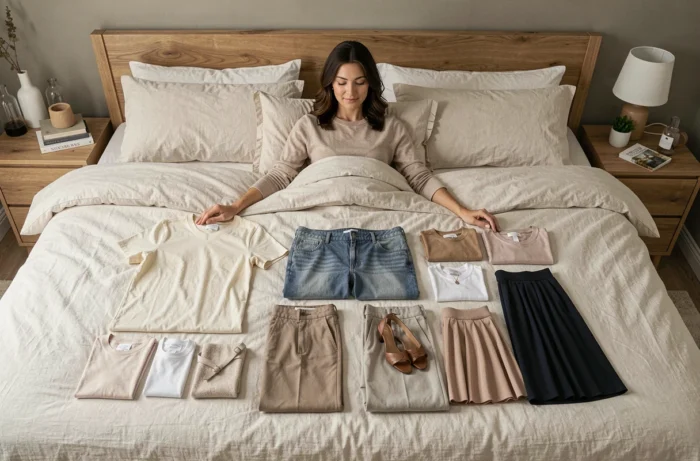
Have you ever noticed that some people always seem well-dressed without thinking about it? Their secret lies in one word: the formula. A formula is a combination of base + layer + finish that you repeat with variations in color or material.
For example: straight jeans (base), a crew neck sweater (layer), a canvas jacket (finish). Change the color of the sweater or replace the jacket with a blazer, and you get a different outfit effortlessly. Three well-crafted formulas cover most situations of the week.
This system reduces decision fatigue in the morning. You can find more fashion ideas on Media Gaga to refine your combinations according to your body shape.
2. Prioritize fit over brand

A twenty-euro garment that fits perfectly will always look more elegant than a branded piece that is too loose at the shoulders. Fit matters more than the label.
Three quick checkpoints: the shoulder seam should reach the edge of the shoulder, the sleeve should not extend past the wrist, and the pants should not excessively break over the shoe. If a piece you love doesn’t meet these standards, a local tailor can often fix the issue for a few euros.
3. Organize your wardrobe by category and then by color

Organizing your wardrobe works as a style lever. When pieces are categorized by type (shirts, sweaters, pants) and then sorted by color from light to dark, the possible combinations become visible at a glance.
This organization also reveals gaps. You immediately notice that you have five navy tops and no light tops to balance an outfit.
4. Apply the monthly withdrawal rule

Every month, remove from your wardrobe the pieces you haven’t worn in thirty days. Put them in a separate bag. If, by the end of the following month, you haven’t gone back for them, they can be donated or sold.
This regular sorting prevents accumulation that drowns good pieces among mediocre ones. A streamlined wardrobe makes morning choices easier.
5. Choose a duo of neutral colors as a base
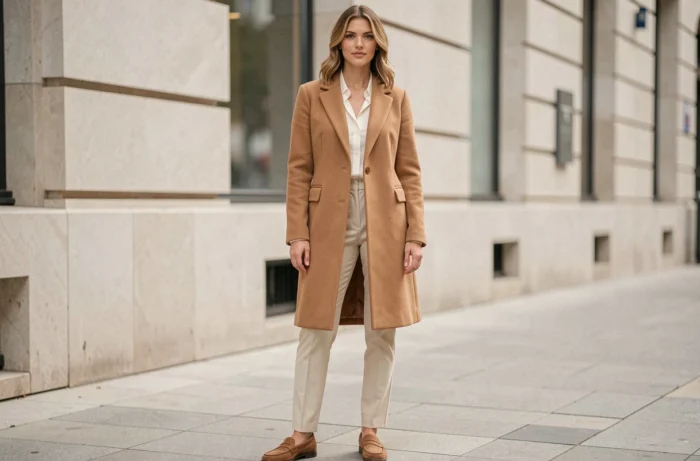
No need to master color theory. Select two neutrals that pair well with your skin tone (navy and white, gray and ecru, black and camel) and build your outfits around them.
Once this base is in place, adding a pop of color becomes simple: an accessory, a top, a pair of visible socks. The consistency of the neutral duo absorbs almost any color accent without throwing off the outfit.
6. Focus on materials rather than patterns
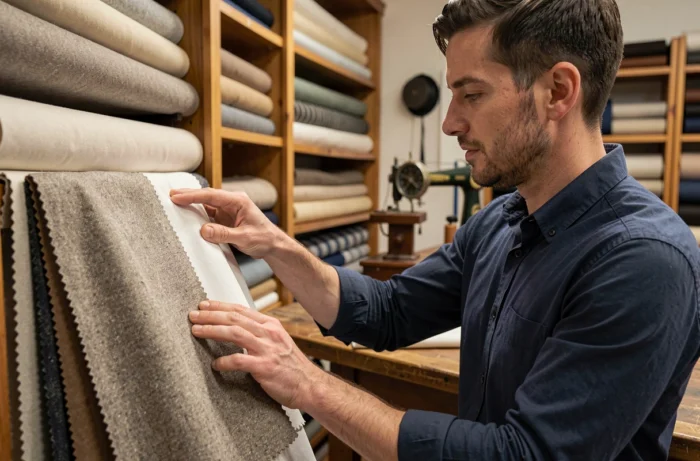
A thick cotton t-shirt looks more polished than a thin, transparent t-shirt, even at the same price. The texture of a fabric influences the perception of quality before you even look at the cut or color.
In practice, prioritize:
- Cotton with a sufficiently dense weight for basics (t-shirts, shirts)
- Merino wool or blended cashmere for sweaters, which drape better than pure acrylic
- Linen for summer, provided you’re okay with the natural wrinkling that is part of the charm of this fiber
7. Roll up sleeves and hems methodically

A well-done roll changes the dynamics of an outfit. For a shirt, the master fold technique works: first, fold down the buttoned cuff, then fold it again so that the cuff slightly peeks out. The result is clean and stays in place.
A raw denim rolled up two centimeters reveals the shoe and visually lightens the silhouette. This type of micro-adjustment costs nothing and can be corrected in ten seconds.
8. Maintain shoes every week
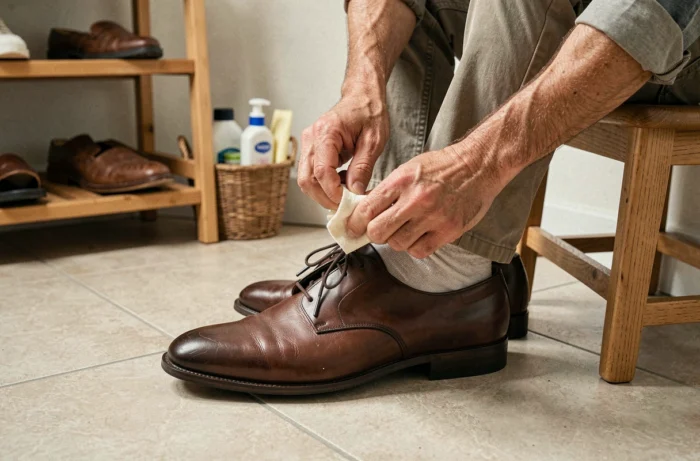
Shoes are the first element that a glance sweeps over when evaluating an outfit. A pair of polished derbies once a week keeps them looking new for years. Regularly cleaned white sneakers maintain their visual impact.
Five minutes of weekly maintenance is better than a replacement every six months. Keep a minimal kit (brush, cloth, polish or eraser depending on the material) near the entrance to integrate this gesture into your routine.
9. Wear only one standout accessory per outfit
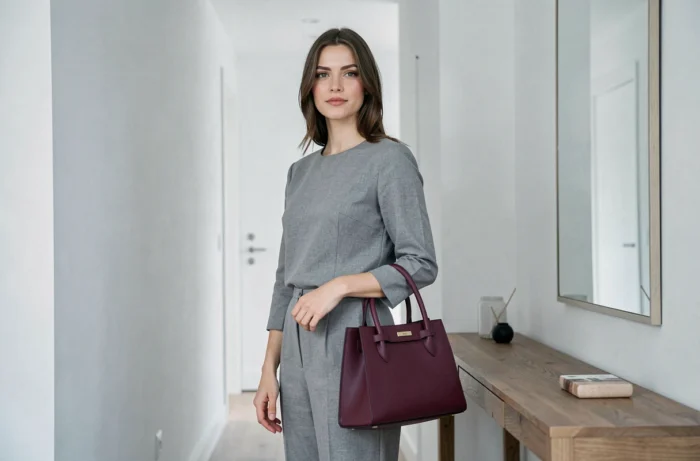
A simple watch, a textured scarf, a patinated leather belt: a unique accessory draws attention without overwhelming. Stacking bracelets, rings, scarves, and hats creates visual noise that dilutes the effect of each piece.
Choose the accessory based on the context. At the office, a watch or a belt suffices. On weekends, a well-chosen beanie or sunglasses add character.
10. Track what you actually wear for two weeks
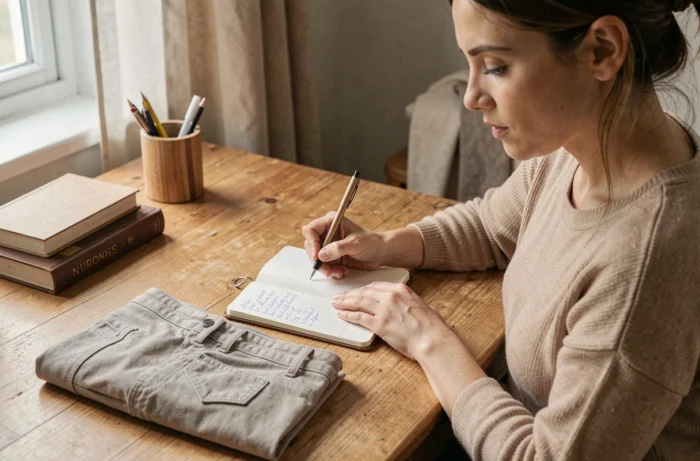
Take a quick photo of your outfit every morning for fourteen days. At the end of the period, you’ll see which pieces come up often and which ones remain ignored.
This tracking reveals your actual style, not the one you imagine having. It then allows for targeted purchasing: reinforcing what works, filling a specific gap, stopping the accumulation of pieces that don’t match your habits. The most profitable purchases are those that complement outfits you’ve already worn.
These ten adjustments require neither a budget nor special expertise. The common thread remains the same: observe what you actually wear, simplify choices, and pay attention to the details that others notice first, such as fit, shoes, and color consistency.