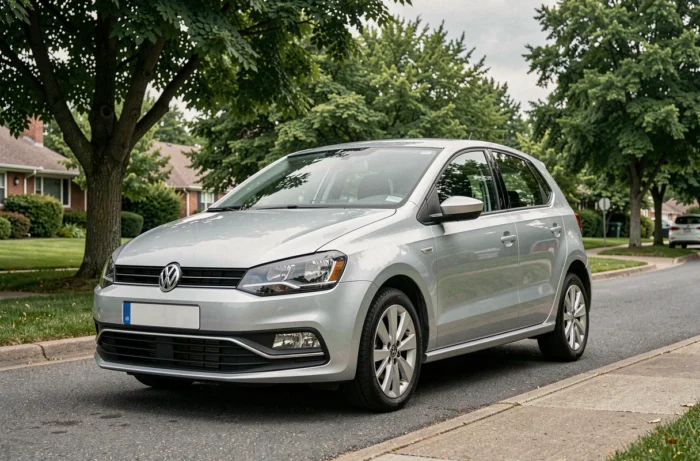
The Volkswagen Polo 6R (2009-2014) shares its PQ25 platform with the Seat Ibiza 6J and the Skoda Fabia II, but its TSI and TDI engines have maintenance specifics that generic plans do not cover. Here, we detail the technical points that condition the longevity of this model and the accessory choices that truly deserve attention.
Polo 6R and ZFE constraints: what the Crit’Air sticker really imposes
The diesel Polo 6R registered between 2009 and 2010 falls under Euro 4 standards and receives a Crit’Air 3 sticker. By 2025, several metropolitan areas have tightened restrictions on this category, making urban travel dependent on the city, times, and local exemptions.
The Crit’Air sticker of a Polo 6R cannot be improved by maintenance or modification. Replacing the particulate filter, reprogramming the engine, or keeping the vehicle in impeccable condition does not change the classification. This is determined by the engine type, Euro standard, and the date of first registration.
For the TSI petrol versions (1.2 and 1.4), the situation is more favorable: Euro 5 models receive a Crit’Air 1, compatible with almost all current ZFEs. Before any used purchase, we recommend checking the Euro standard on the registration document (field V9) rather than relying solely on the model year. The resources available on https://www.polo6r.fr/ allow for cross-referencing engine references with the specificities of each version of the Polo 6R.
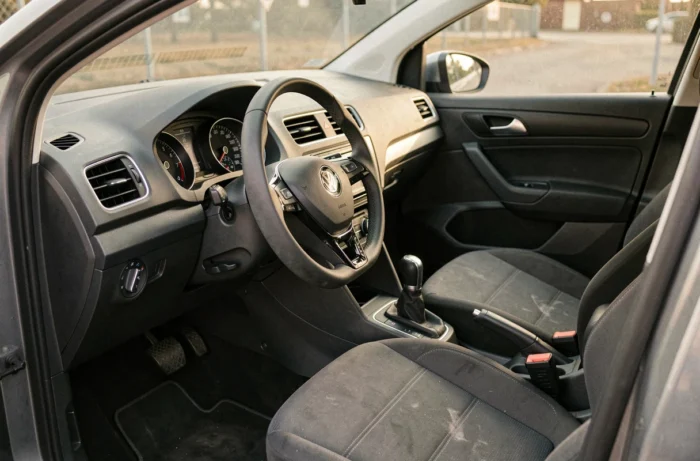
Timing chain or belt on Polo 6R: identifying its engine
The confusion between timing chain and belt remains the most common pitfall on this model. The type of timing system depends exclusively on the engine code, not the displayed displacement.
- The 1.2 TSI engines with codes CBZB and CBZA use a timing chain. These chains have received negative feedback related to premature elongation, causing a knocking sound on cold start. Preventive replacement before the symptom appears avoids engine failure.
- The 1.6 TDI engines with code CAYC use a timing belt. Its replacement is done according to manufacturer recommendations, usually coupled with the replacement of the water pump to avoid double intervention.
- The 1.4 TSI engines with code CAVE (GTI version) operate with a chain, reputed to be more robust than that of the 1.2 TSI due to a larger tensioner sizing.
We observe that many owners confuse the 1.2 MPI atmospheric (code CGPB, with belt) and the 1.2 TSI turbo (with chain). Checking the engine code on the manufacturer’s plate, passenger side under the hood, remains the only reliable method.
Cooling system and brake fluid maintenance on Polo 6R
The cooling system is the silent weak point of the Polo 6R. The molded plastic hoses connecting the engine block to the radiator become brittle after several years. A coolant leak can occur without any warning signs other than a gradual drop in the level in the expansion tank.
We recommend a visual inspection of the plastic connections at every oil change. The replacement of the coolant follows a two-year interval at Volkswagen, but for a vehicle over ten years old, checking the pH of the fluid with a reactive strip provides a more precise indication than the simple calendar.
Brake fluid: a often neglected interval
Brake fluid is hygroscopic: it absorbs ambient moisture over time, which lowers its boiling point. On a Polo 6R used daily, replacing the brake fluid every two years is imperative, regardless of mileage. A brake fluid resistivity tester, available for a few euros, allows you to measure the absorbed moisture level and objectively decide on replacement.
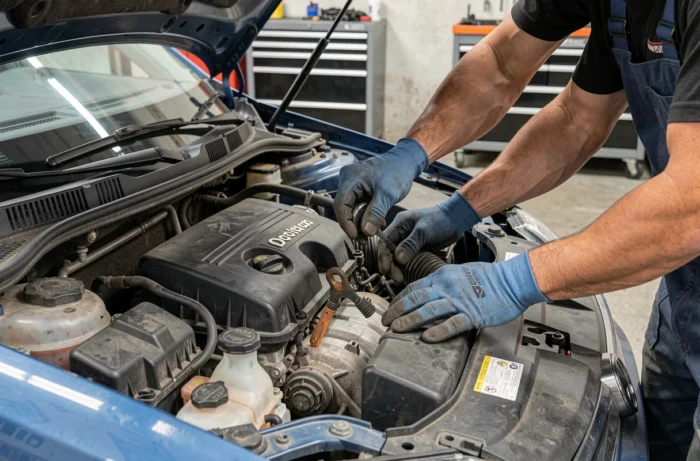
Recall campaigns and checking Takata airbags on Polo 6R
An investigation published at the end of September 2026 by 60 Millions de consommateurs indicates that defective airbags related to the Takata issue represent a significant portion of recall alerts concerning the Volkswagen group between 2016 and 2025. For a used Polo 6R, checking the recall status is independent of the maintenance booklet.
The maintenance booklet, even electronic via VW Connect, does not systematically mention the execution of manufacturer recalls. You must inquire directly with the Volkswagen network using the vehicle’s VIN. This process is free and takes a few minutes by phone or at the dealership.
Polo 6R accessories: filtering the useful from the cosmetic
The accessory market for Polo 6R is vast, but three categories deserve thoughtful investment.
The thermoformed plastic trunk protection, specific to the loading profile of the 6R, protects the original carpet and preserves resale value. Universal versions do not fit well to the contours of the trunk threshold and slide under loads.
OEM (Original Equipment Manufacturer) quality oil and air filters are preferable to budget alternatives. On the 1.2 TSI, an undersized oil filter reduces lubrication flow at idle, which accelerates wear on the timing chain.
A set of spark plugs suited to the exact engine code does more for performance than a sporty intake kit. On the 1.4 TSI, switching to iridium electrode plugs extends the replacement interval while maintaining stable combustion.
The Polo 6R remains a vehicle whose longevity depends less on investment in accessories than on the rigor of technical follow-up. Knowing your engine code, anticipating known weaknesses in the cooling system, and checking the history of manufacturer recalls are the three actions that separate a reliable 6R from a source of unexpected expenses.